Joseph Bohmann
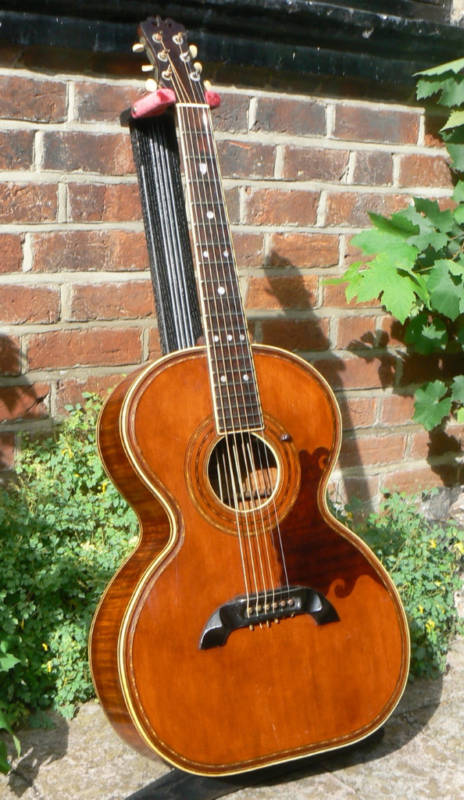
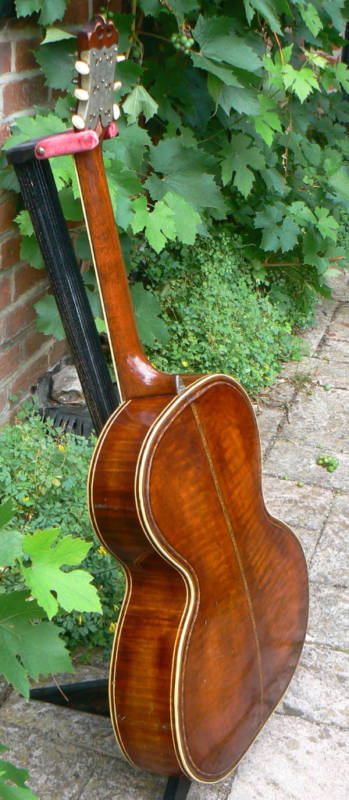
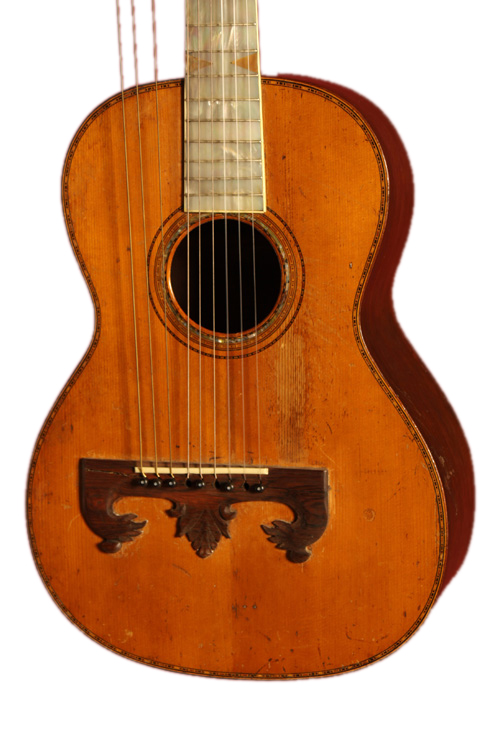
Joseph Bohmann 1891 Presentation Guitar
Besides being one of the first, if not THE first, to build mandolins in America; Bohmann had many patents to his credit; and the guitars he built in the 1880's and after used strong internal bracing and could accommodate steel strings. In fact, strung with light gauge steel strings, the sound of his parlor guitars has been said to equal, and possibly surpass, the sound of the bigger Martins of the same era.

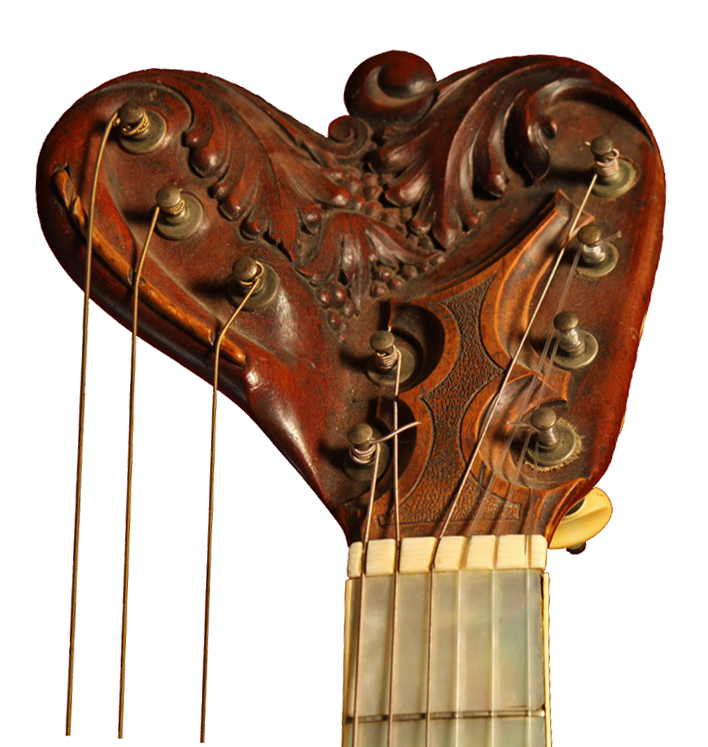
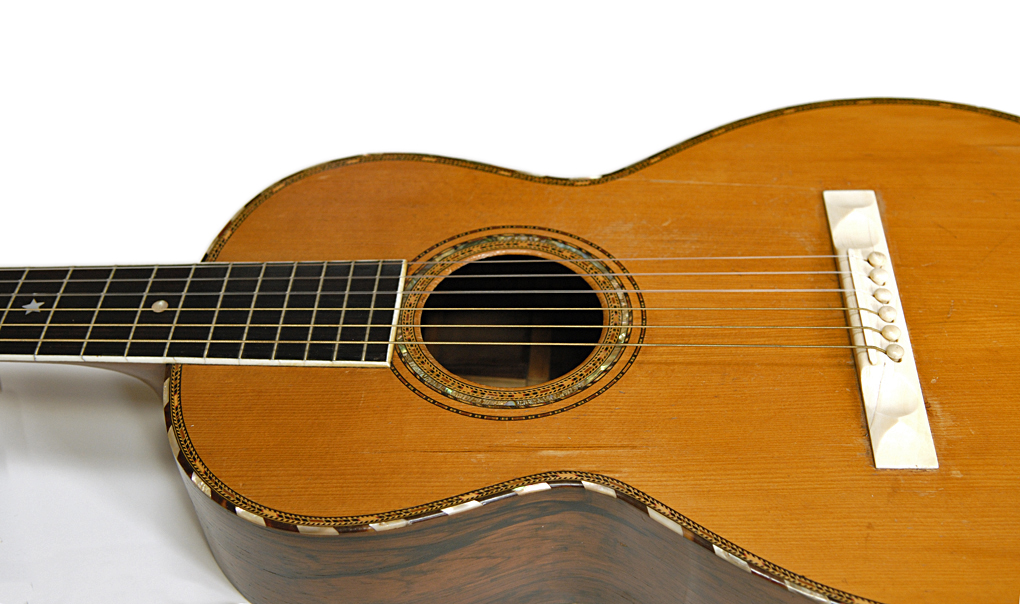
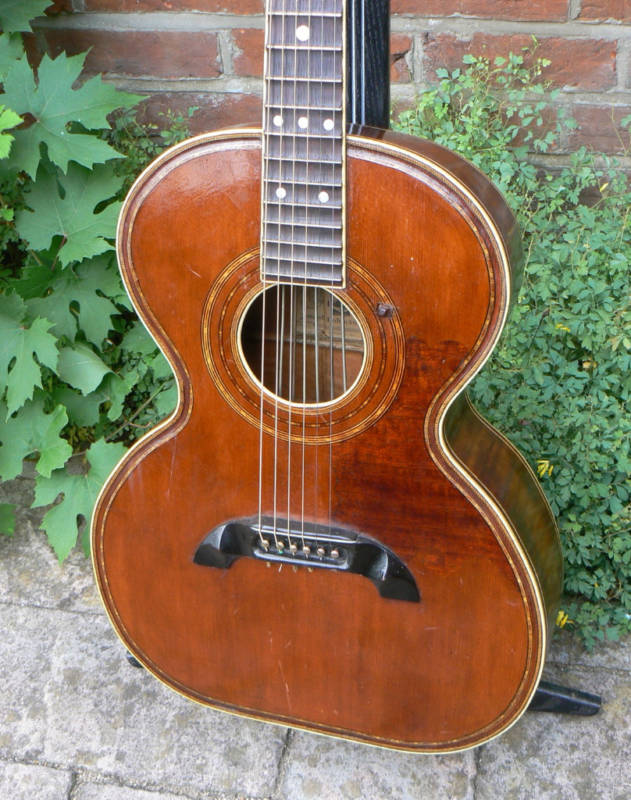
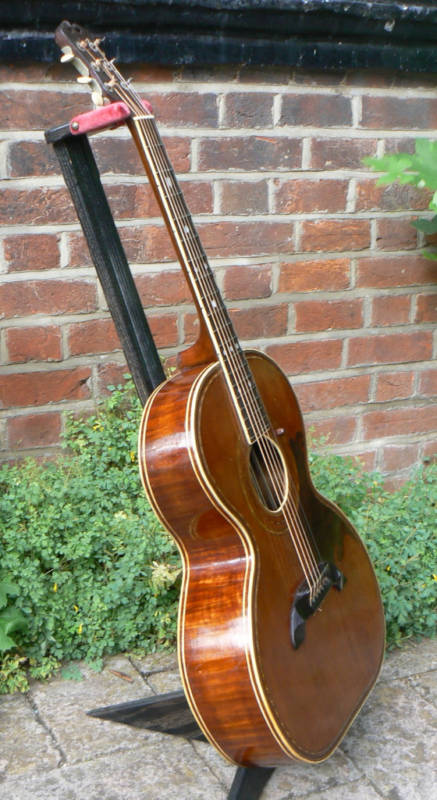
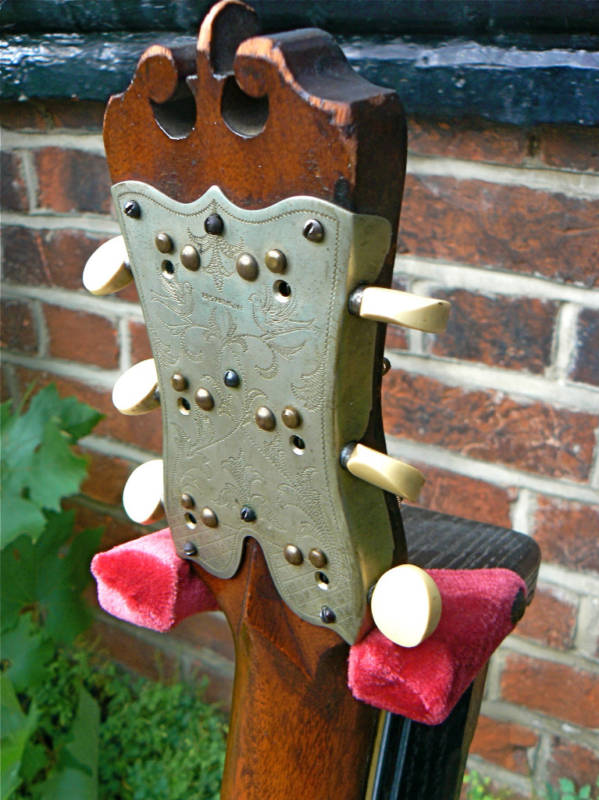
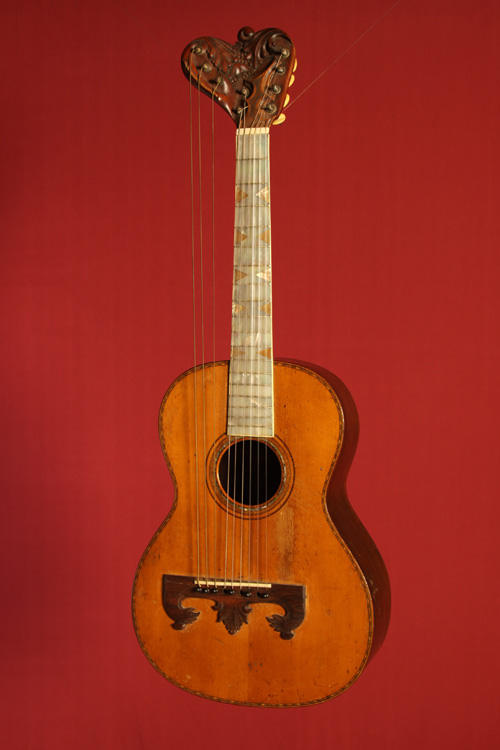
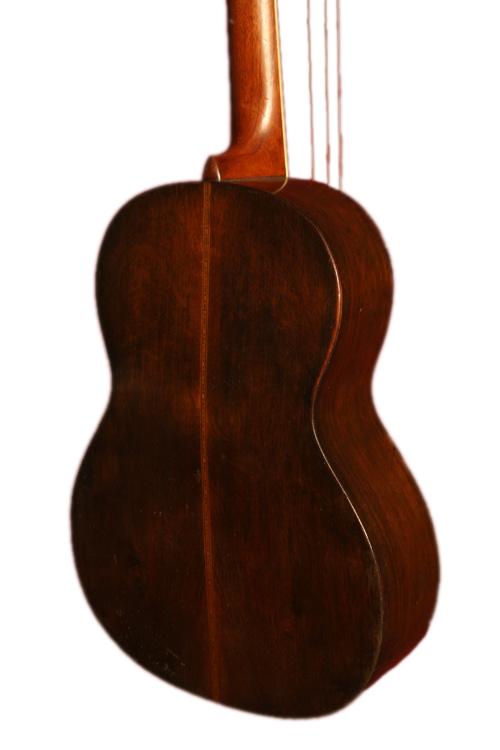
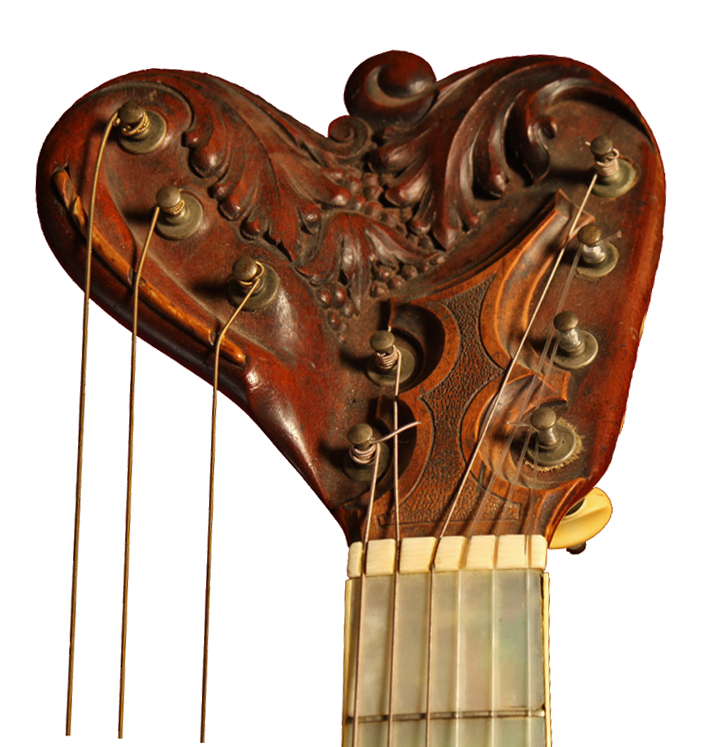
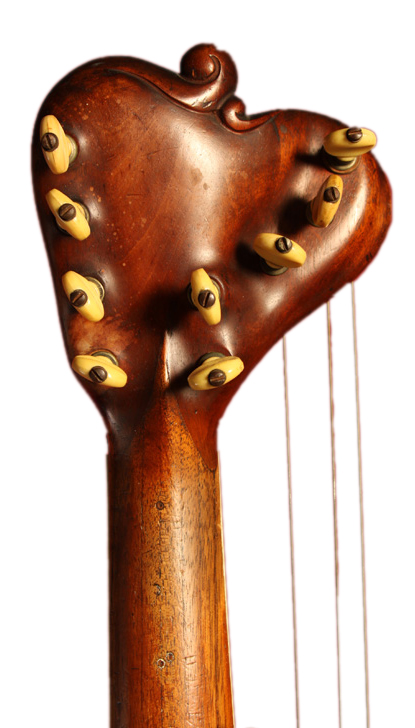
Most examples of his 6 string flattops known today are of rather simple designs, but he did make some high-end and presentation guitars................This is such a presentation instrument! On it he used elephant ivory for the nut, saddle, pyramid bridge, bridge pins, and end pin; genuine tortoise shell (from the Hawksbill turtle: now an endangered species); high grade mother-of-pearl and abalone; Adirondack spruce top with select Brazilian rosewood sides and back; Macassar ebony fretboard (also rare); and a pre-patent special brass tuning plate engraved with birds in flight (he received his patent on his tuning plate on December 8, 1891...........this plate is stamped patent pending). But maybe the most unusual feature of this guitar is its "D'Angelio-style" headstock: the only one I have ever seen on Bohmann guitar; or any 19th century guitar for that matter. Bohmann used this carved finial design some 40 plus years before John D'Angelio made it his trademark. Bohmann used the finest materials and spared no expense to complete this special presentation guitar, which we know by the plaque on the headstock was given as a Christmas gift in 1891......the engraved mother-of-pearl plaque reads; "Mary C. Fenton- Dec. 25th, 1891.
The guitar has amazing volume; excellent separation and balance. Great projection, especially when strung with steel strings.
The guitar was in the collection of a long-time vintage musical instrument dealer who was very reluctant to part with it.
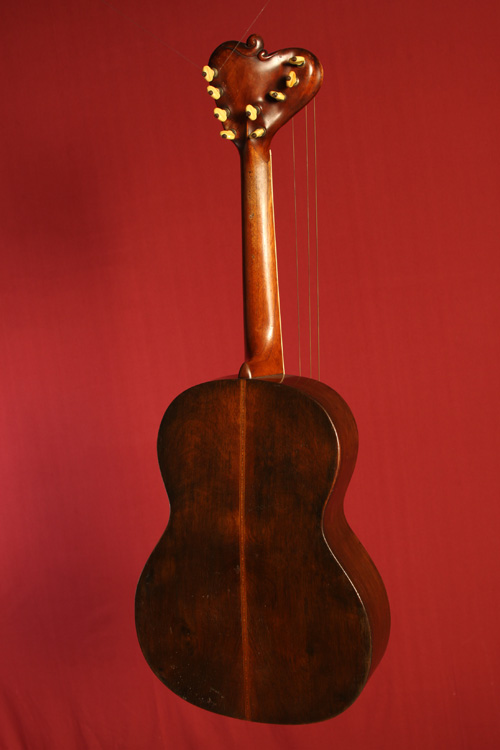
Mahogany neck
Carved finial headstock with volute
Pearl presentation plaque "Mary C. Fenton--Dec. 25th, 1891"
Macassar ebony fingerboard bound with ivory
Original bar frets with pearl and abalone position markers
Special engraved pre-patented tuning plate with pearl tuning buttons
Elephant ivory nut, saddle, pyramid bridge, & pins
Pearl heel plate
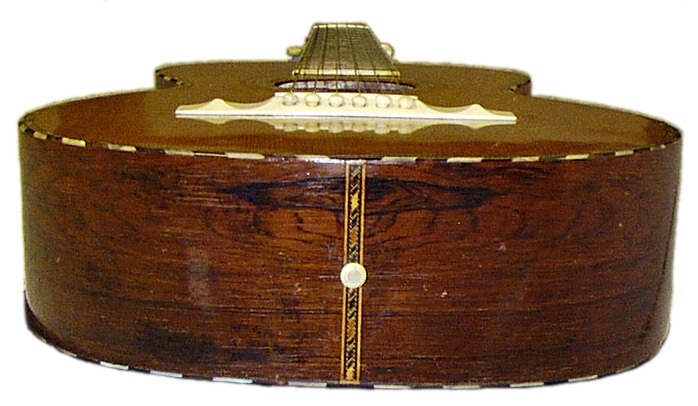
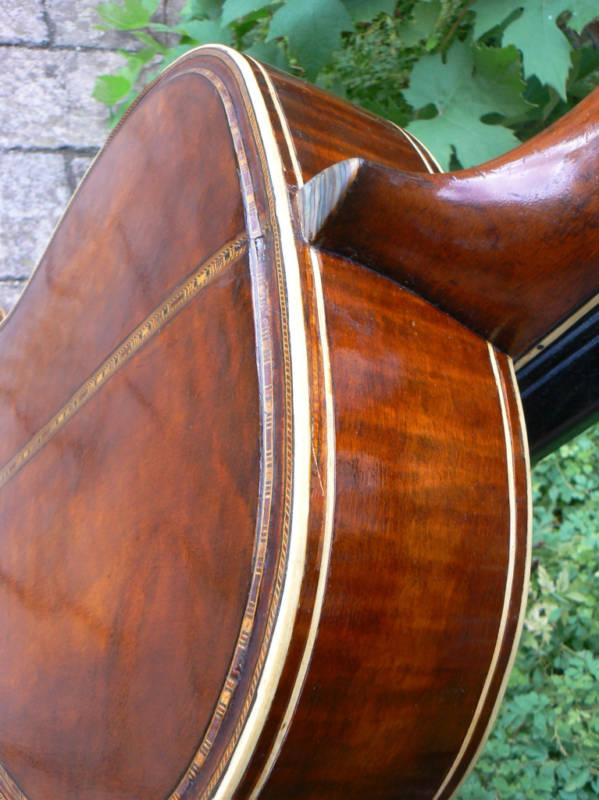
Book matched, highly figural Brazilian rosewood sides and back
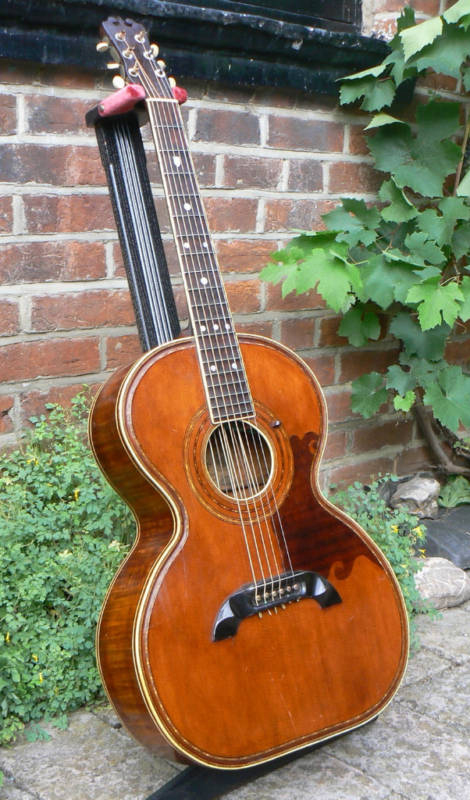
Adirondack spruce top
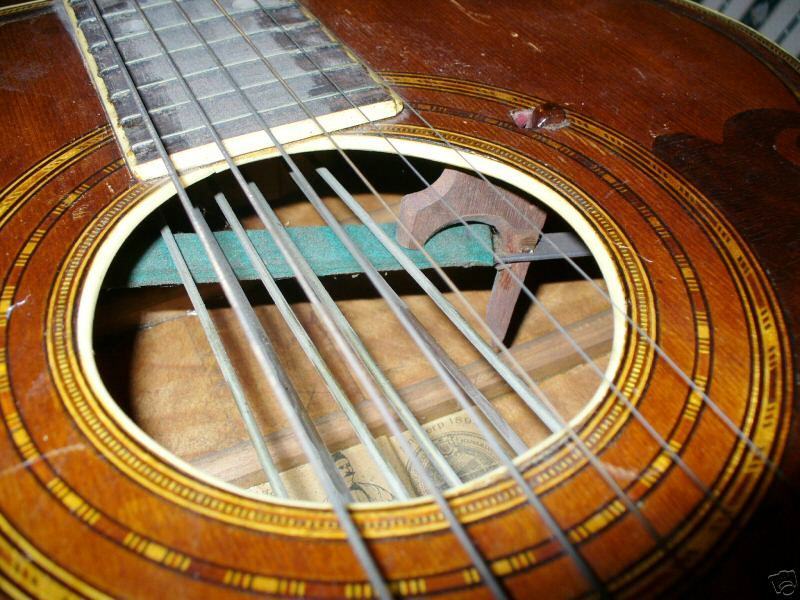
"X" bracing for steel strings
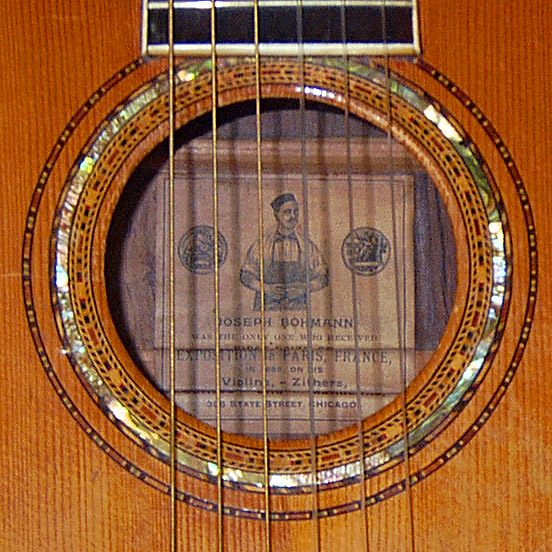
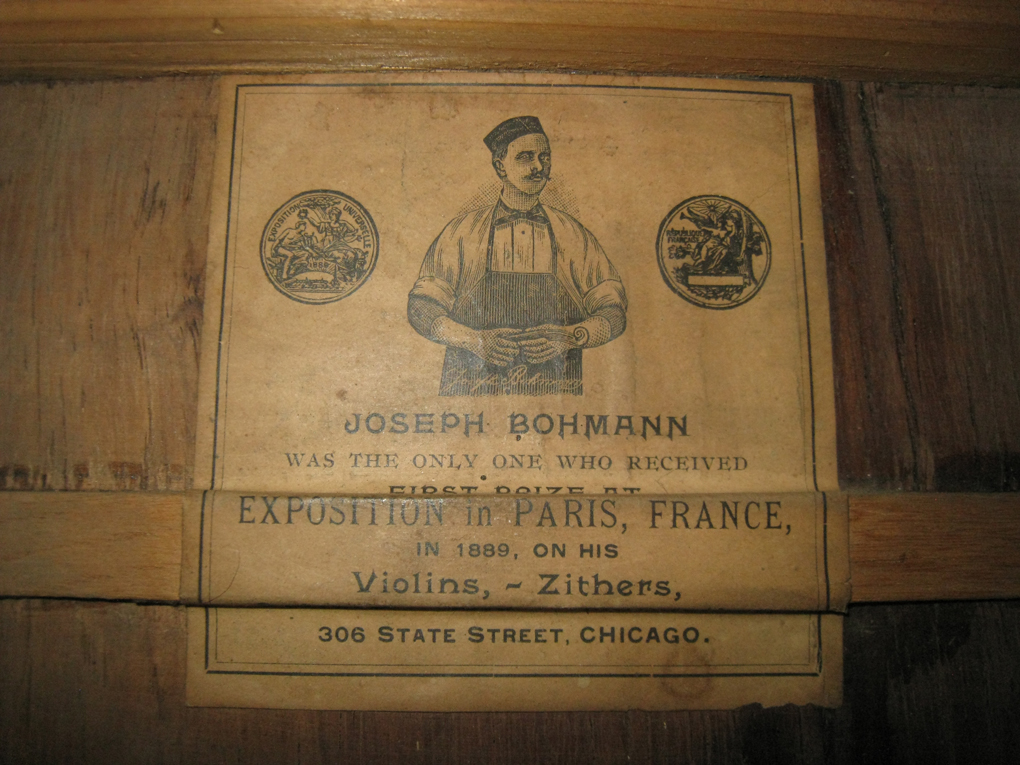
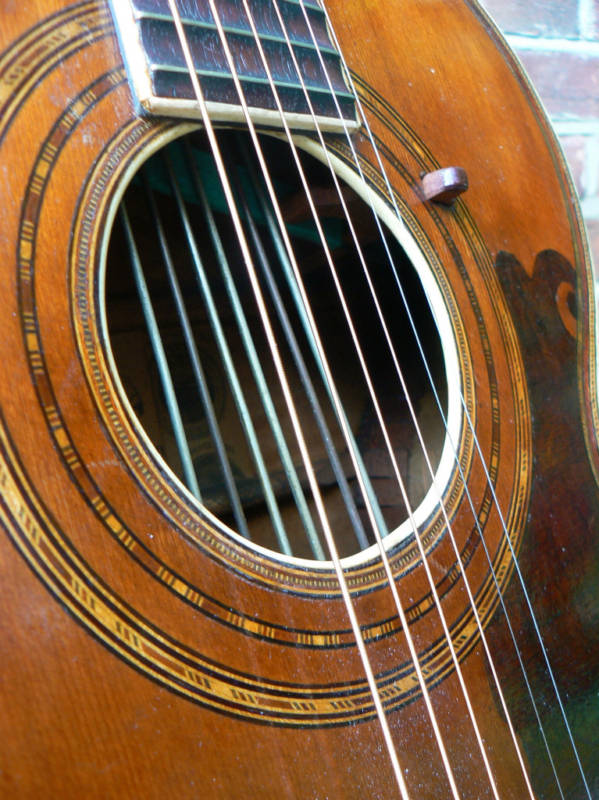
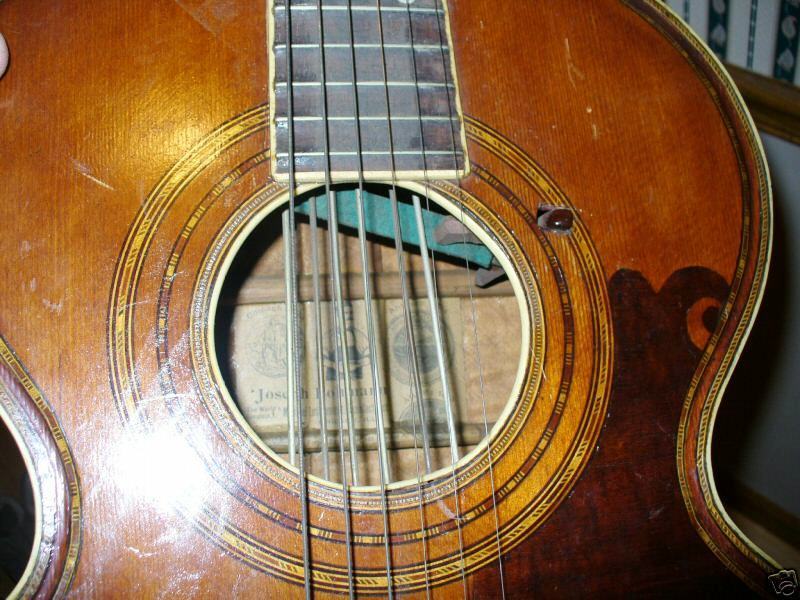
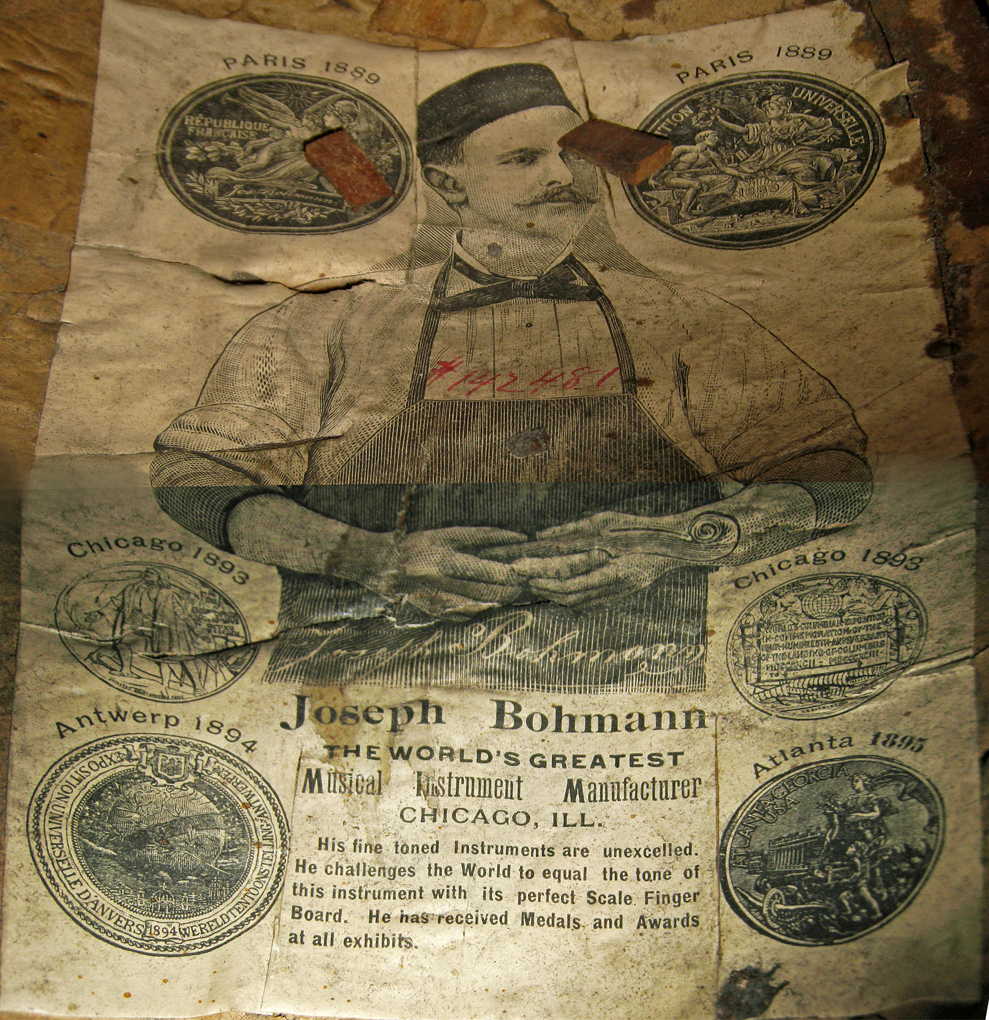
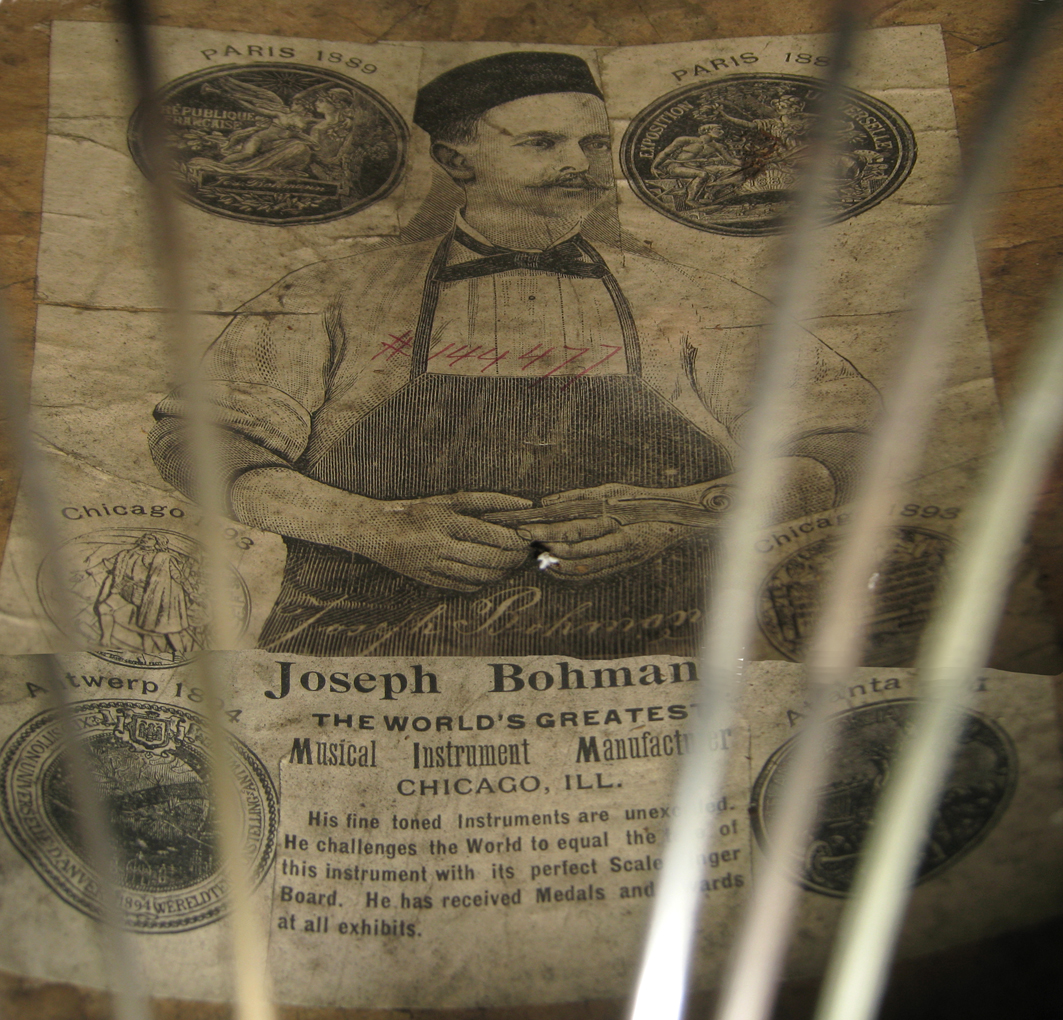
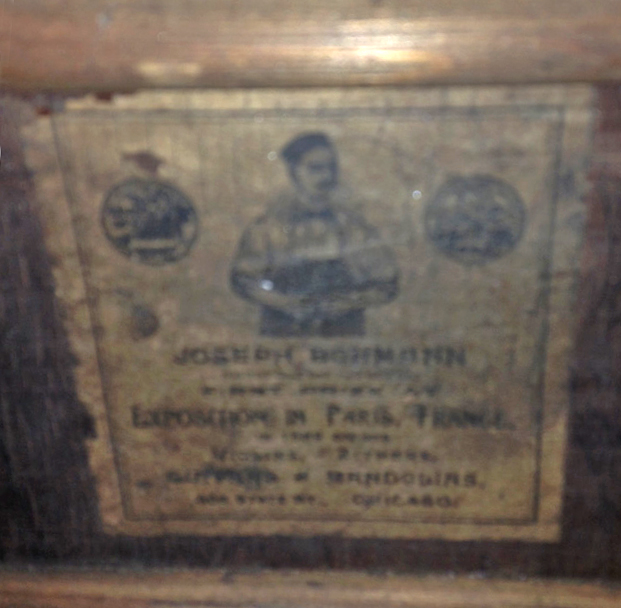
Bohmann steel engraved label in soundhole
Genuine Hawksbill tortoise shell and mother-of-pearl bound top and back
Herringbone inlay on top
Abalone and herringbone rosette
Elephant ivory and pearl endpin
Inlaid wood marquetry on back
Original french polish finish
ALL ORIGINAL WITH NO REPLACEMENT PARTS.
Conservation work done:
Hairline crack on bridge repaired with glue and ivory dust
Two hairline cracks repaired: top left of sound hole and lower right; done with hide glue
Complete set-up done
Overall length- 39"
Neck length- 22 1/2"
Fretboard width at nut- 1 13/16"
Body length- 19"
Width upper bout- 9 1/2"
Depth upper bout- 4"
Width lower bout- 13"
Depth lower bout- 4 1/2"
Soundhole diameter- 3 1/2"
Scale length- 25"


Joseph Bohmann Mandolin with Sympathetic Strings


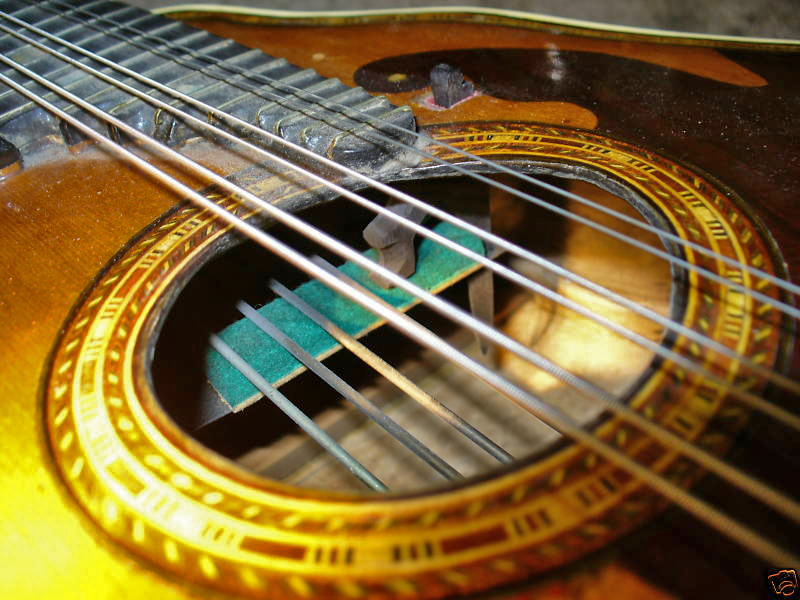
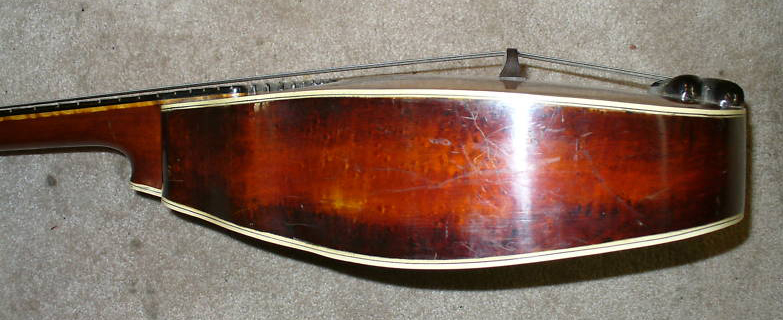
Joseph Bohmann Guitar with Sympathetic Strings

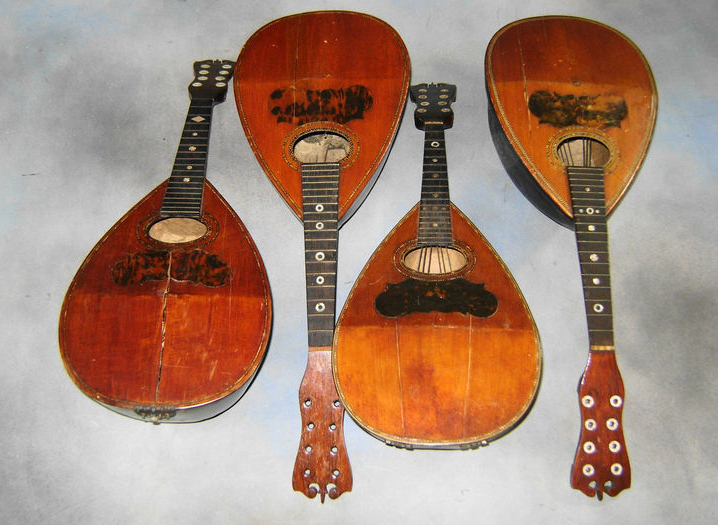
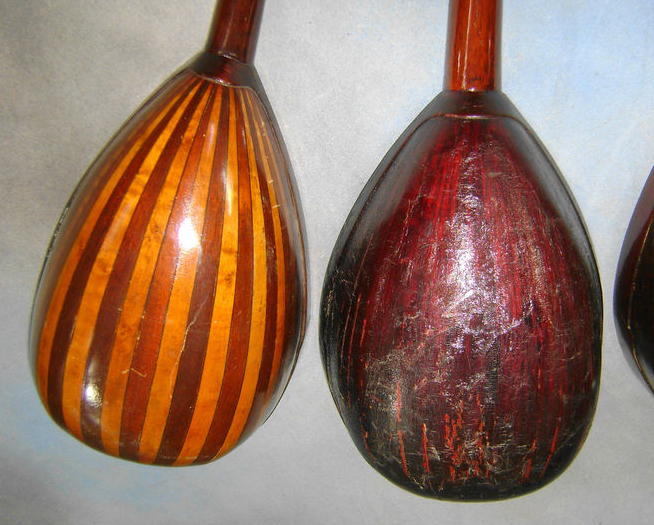
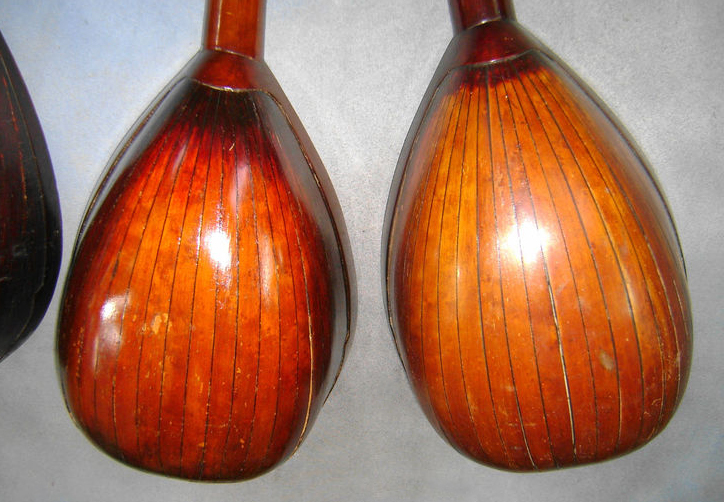
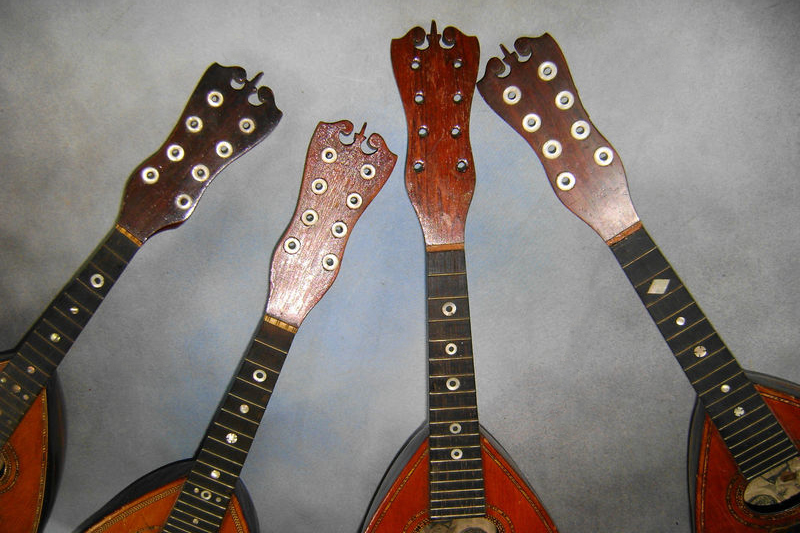
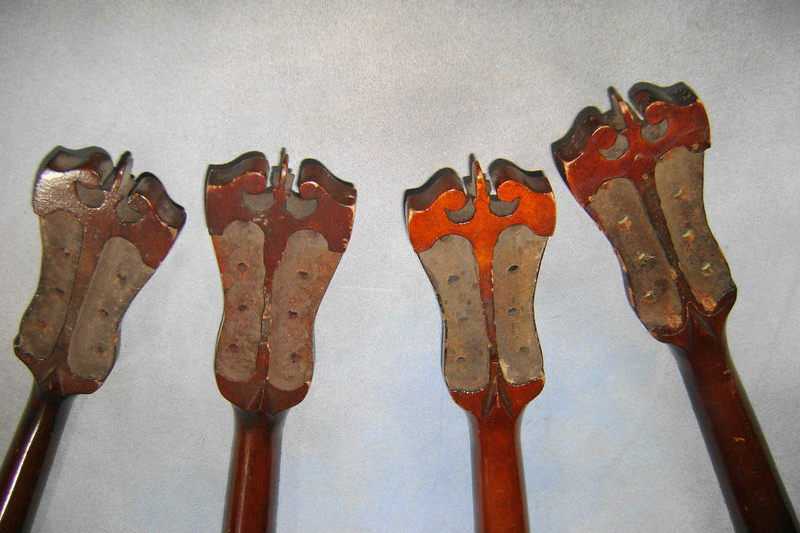
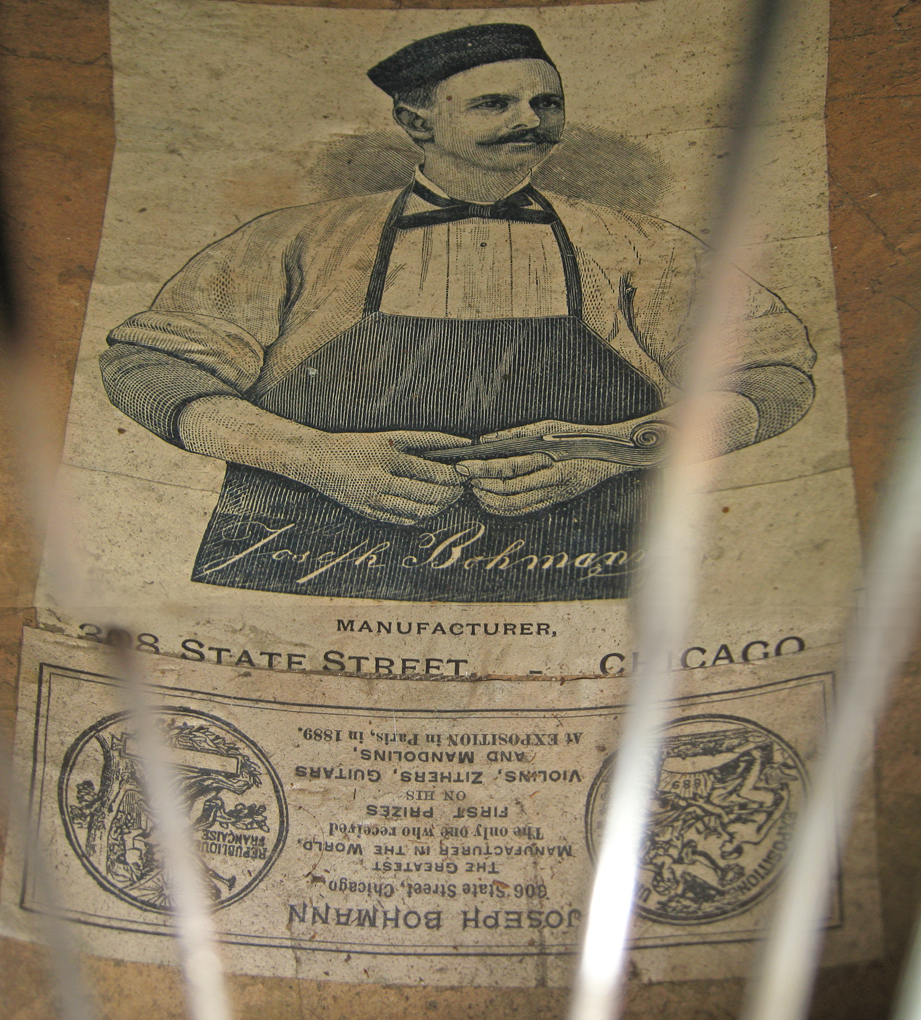
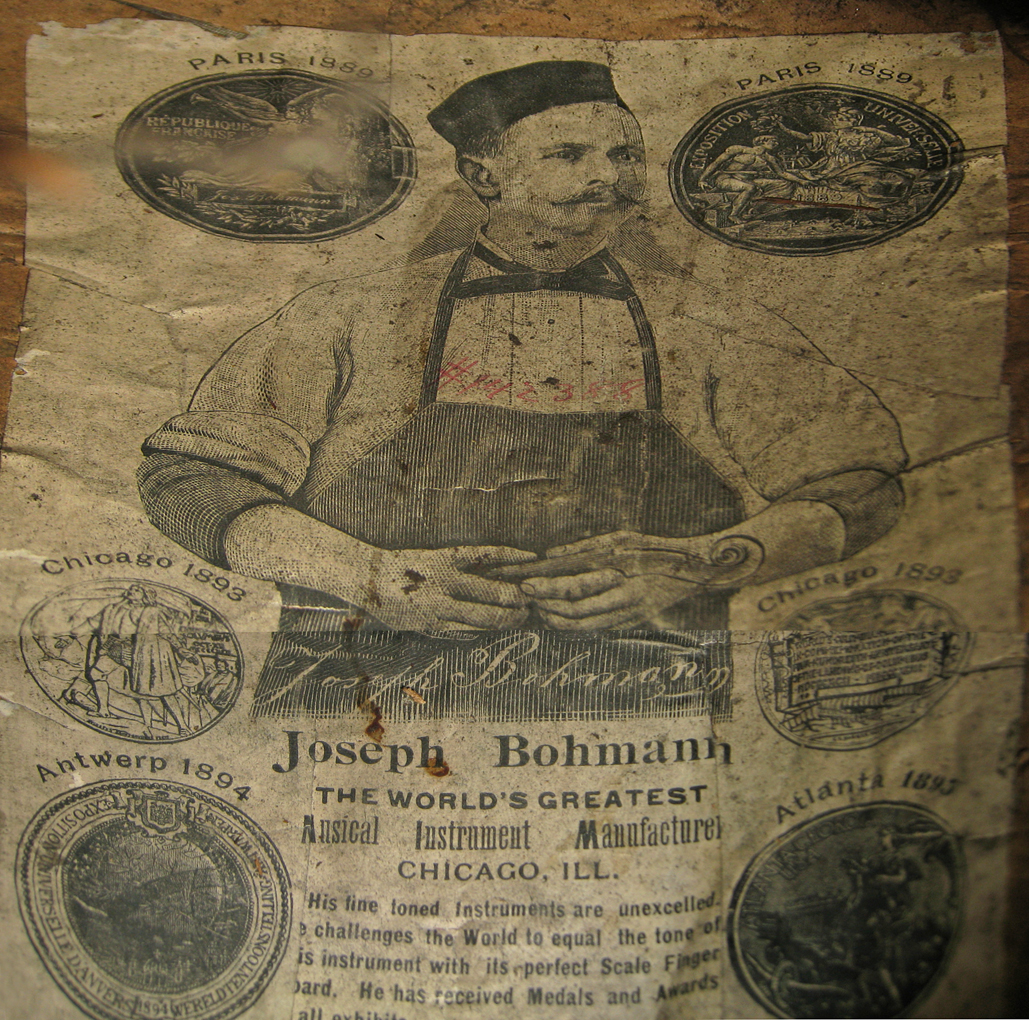
Joseph Bohmann Bowlback Mandolins
Early Joseph Bohmann Harp Guitar
vintagemartin.com
To See Robert Corwin's Classic Photography of Folk and Roots Musicians, visit:
For Information on Photography for
Exhibition, Publication, CD's, Promotion, Web Pages, Tour Books,
to Purchase Photographic Prints, or
If You Have Questions or Suggestions About This Web Site or Vintage Martin Guitars:
e-mail: Robert Corwinentire site copyright ©1998 through 2017
Robert Corwin/Photo-Arts. All rights reserved.