Martin Mandolins
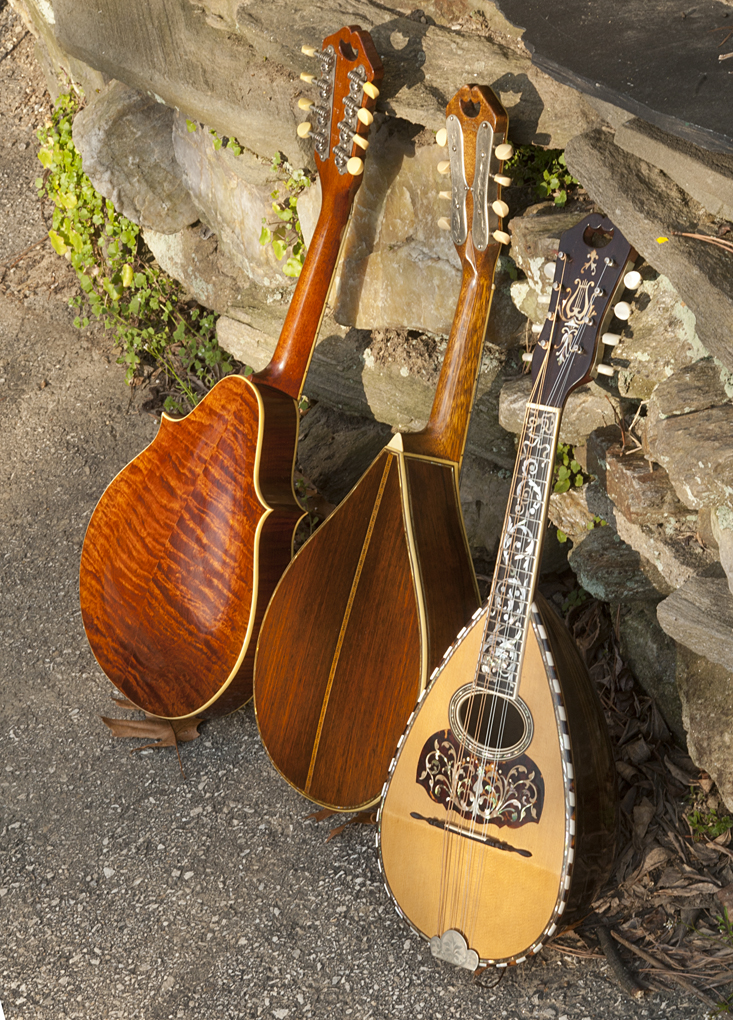
Mandolins were hugely important to the health and even the survival of the Martin Company.
For the entire year of 1898, Martin sold only 348 guitars. Thanks to the tremendous popularity of the mandolin orchestras, Martin sold 204 bowl back mandolins that year.
In the entire year of 1912, Martin built only 152 guitars, while they produced 416 mandolins. That's less than three guitars per week, compared to 8 mandolins per week.
While the Hawaiian music craze truly turned the company's fortunes around with sales of ukuleles and Hawaiian guitars, Martin very well may have not survived in business until then if it were not for the mandolin. Not only did Martin sell more mandolins, but it also turned the parlor guitar into an instrument that could be played in the mandolin orchestras, thus increasing guitar sales as well.
In 1920, Martin built over 1500 mandolins.
Martin made three basic style of mandolins, the early traditional Italian style round backs, the flat backs, and the later carved top and back mandolin.
Martin Round Back Mandolins
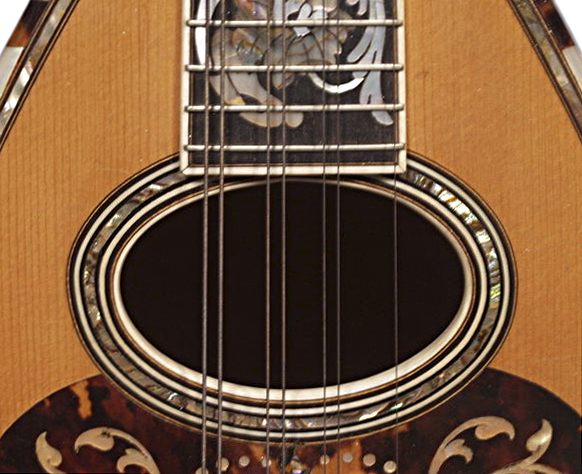
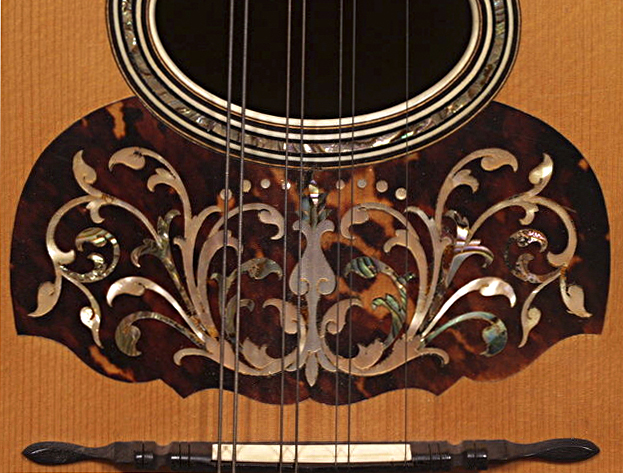
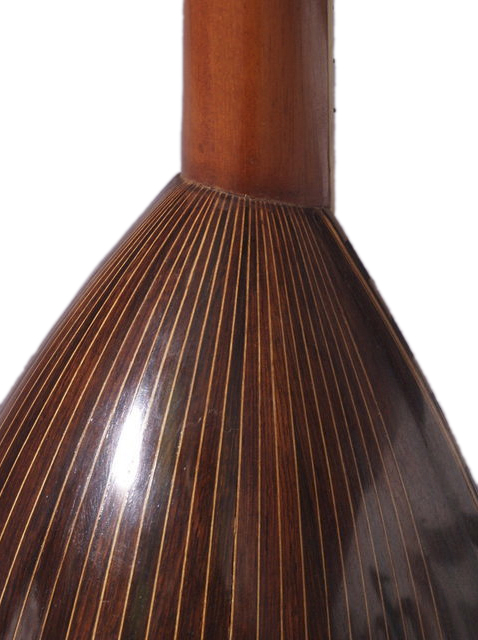
The earliest Martin mandolins were the traditional round backs, made in the style of traditional Italian mandolins.
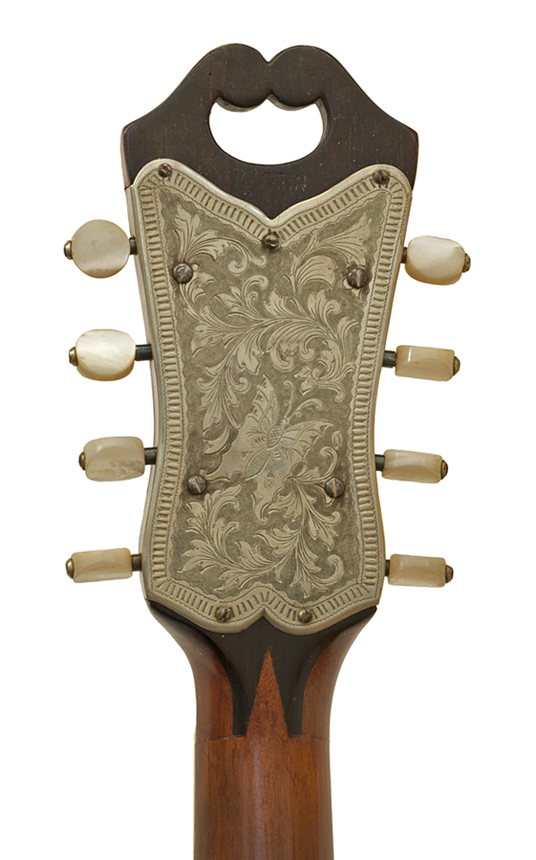
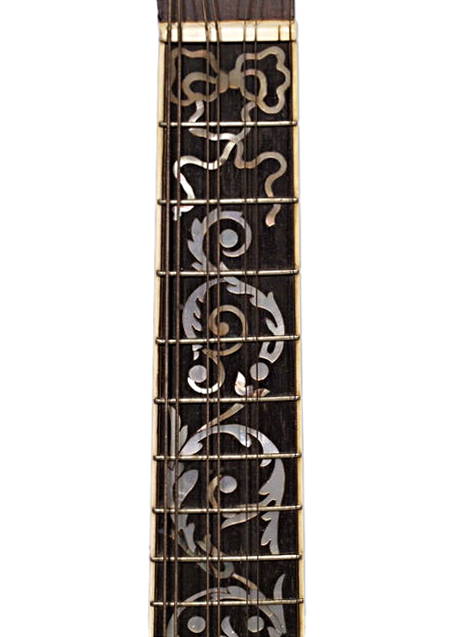
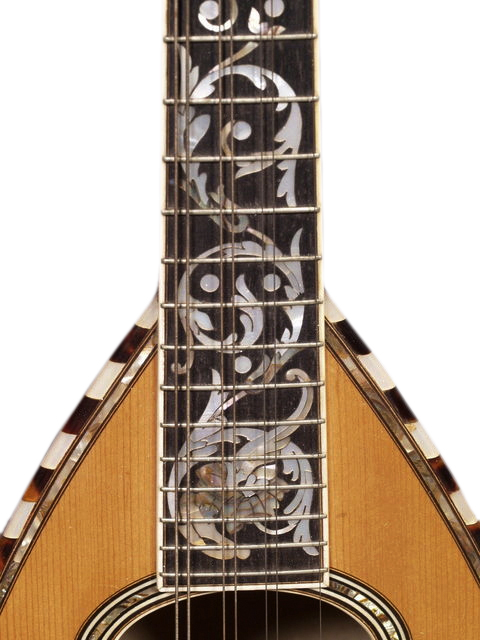
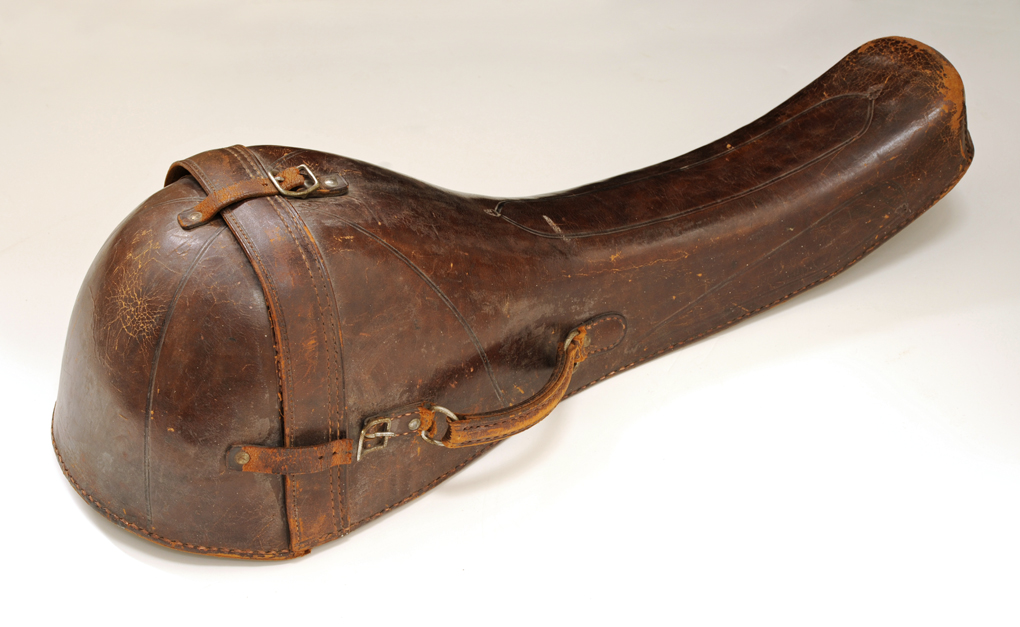
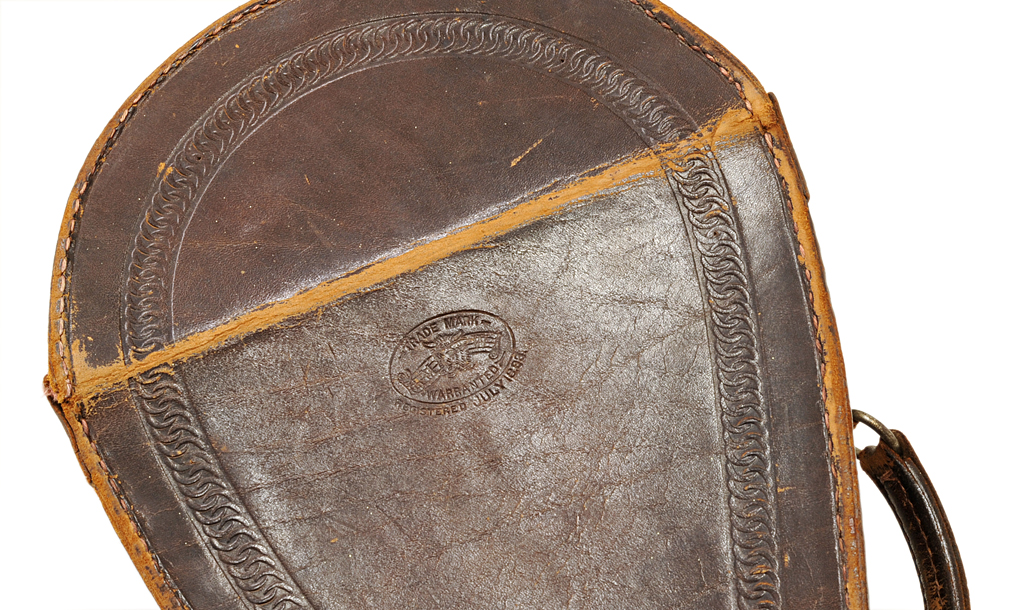
1898 Martin Style 5 Mandolin
All original, with original leather case.

Martin Carved Top Mandolins
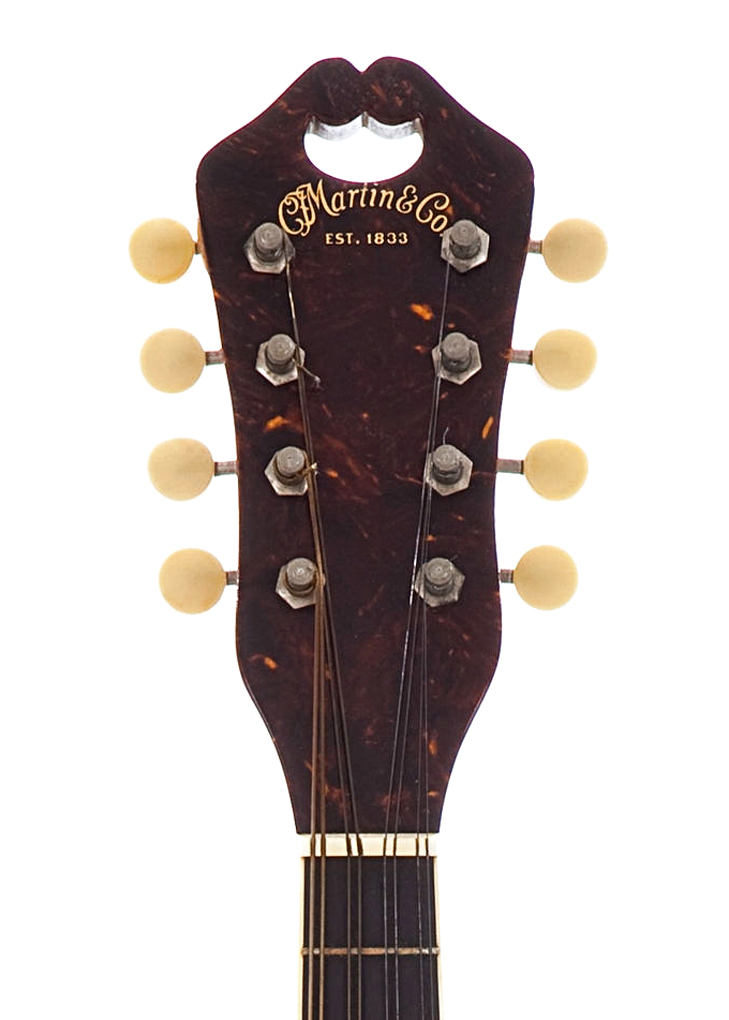
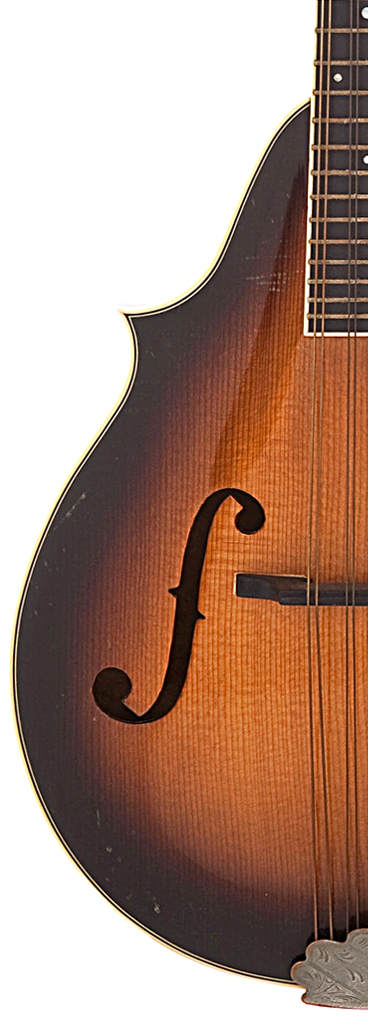
Martin's carved top, two-point mandolins were made as both the oval sound hole Styles 15, 20, and 30, starting in 1929, and the "F" hole Styles 2-15, 2-20, and 2-30, added in 1935.
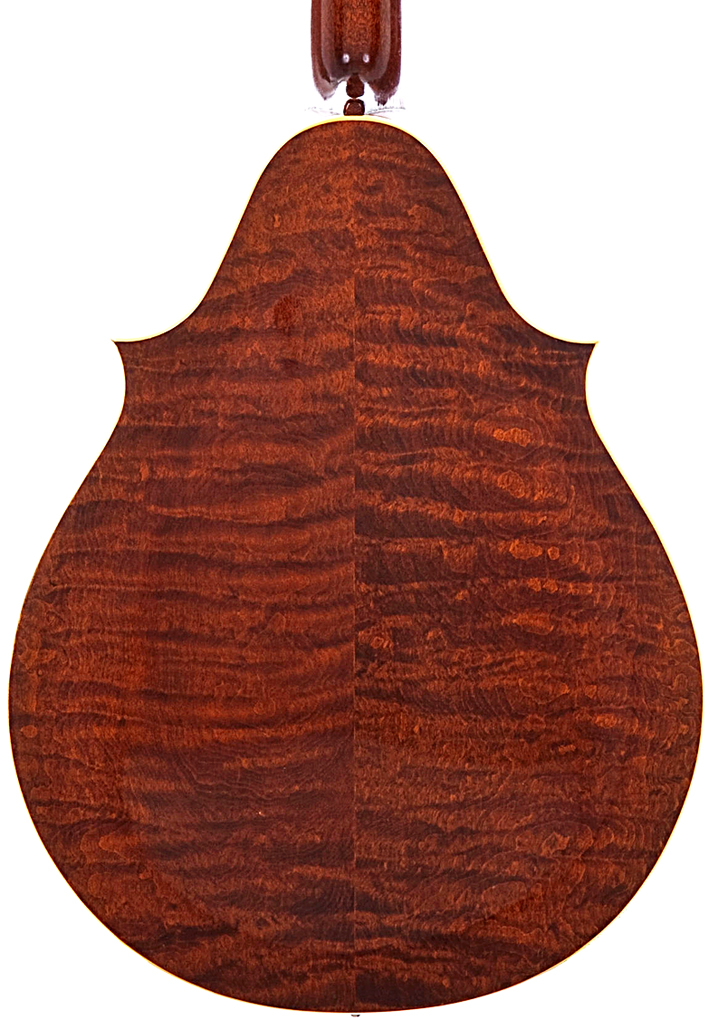
Martin's carved top, two-point mandolins were their closest competition to Gibson's "F" Series mandolins.
While Martin's archtop mandolins, like their archtop guitars, never caught on like the Gibsons did, they were well made instruments and were important to the health of the company. And Gibson did get lucky. The Gibson F-5, built as a classical instrument, was not successful in it's day. If it were not for Bill Monroe, it likely would have faded into obscurity.
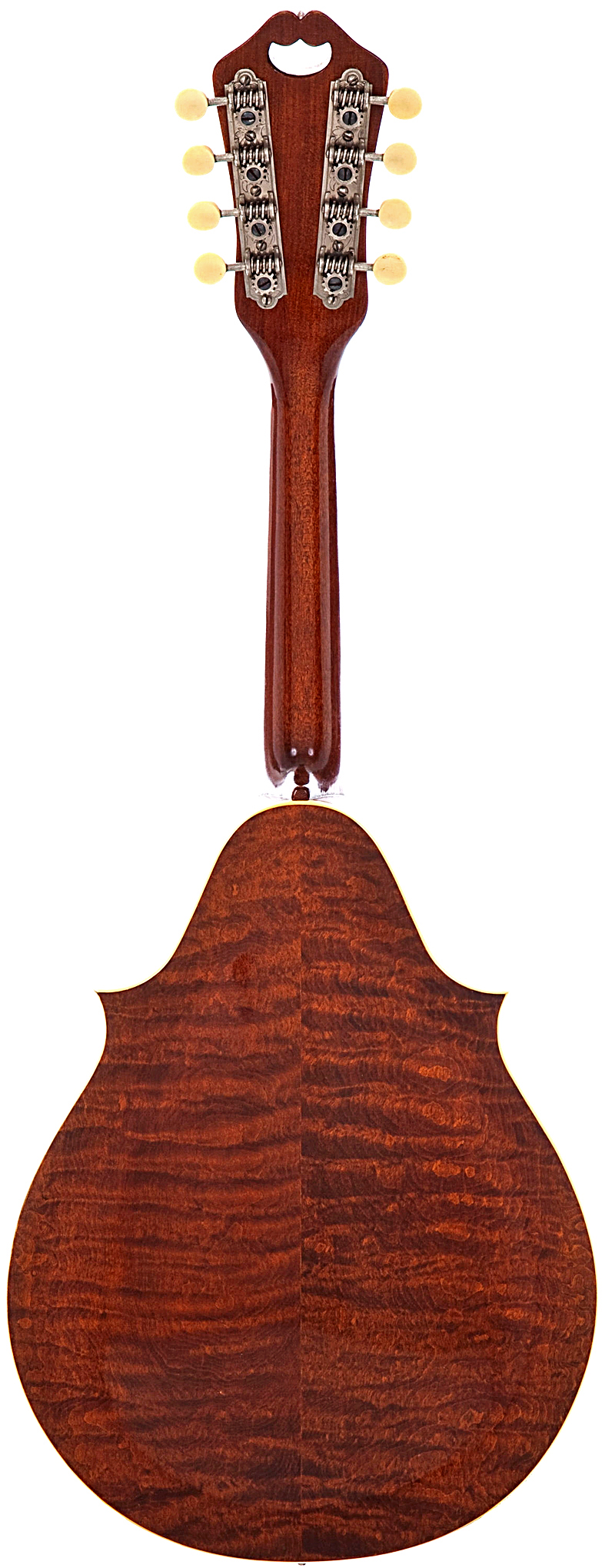
Martin Flat Top Mandolins
1926 Style E Mandolin
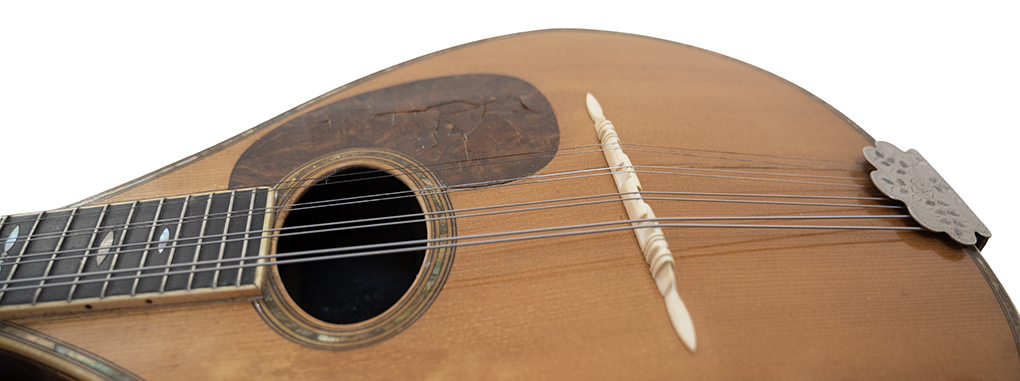
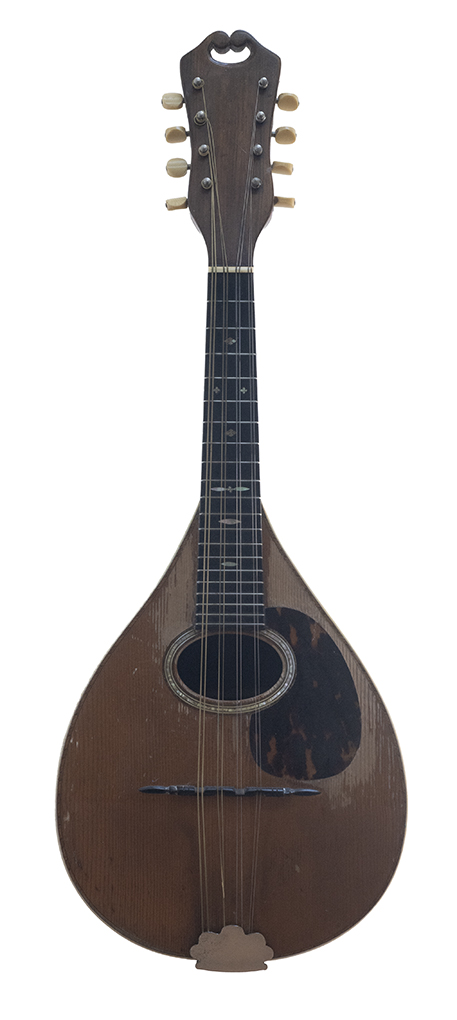
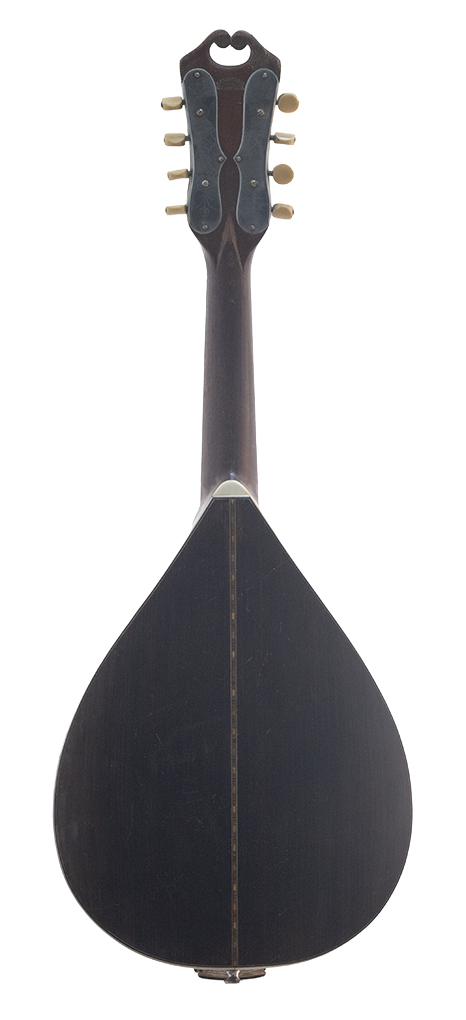
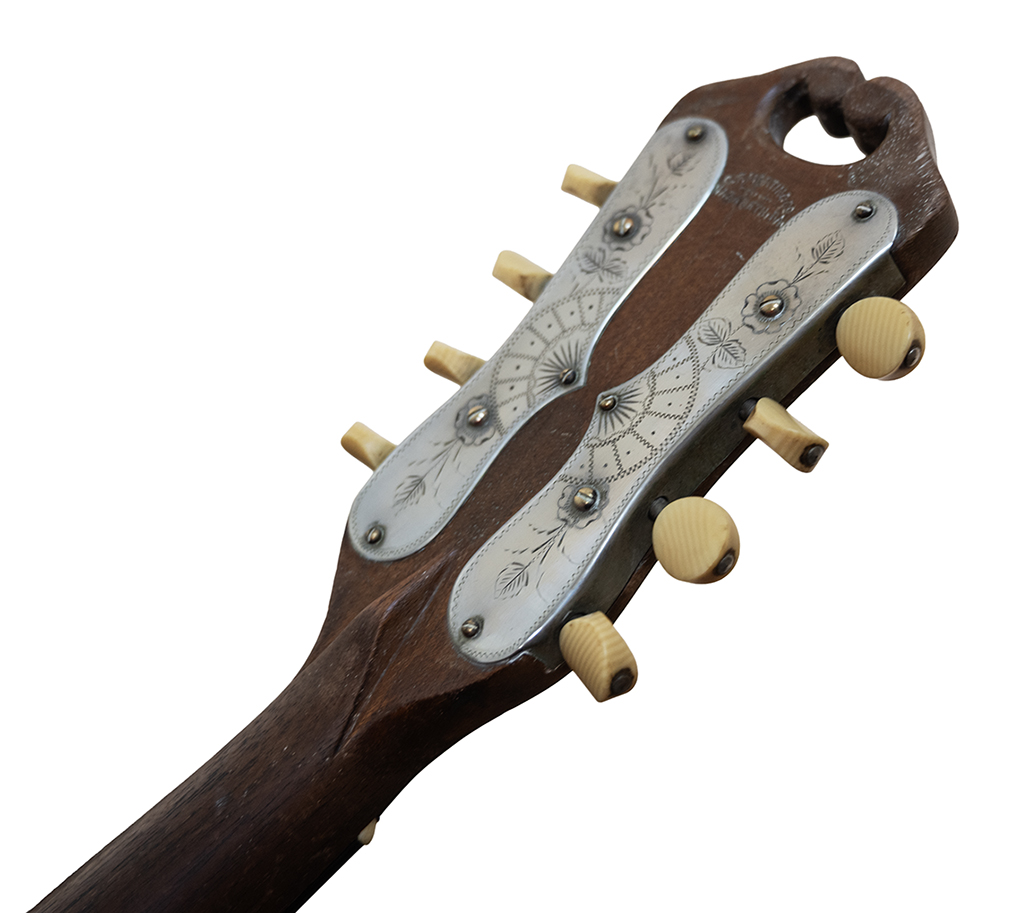
The pre-war Style mandolin was the equivalent of the pre-war Style 45 guitar, with pearl borders, snowflake fretboard inlays and a fancy inlaid headstock.
The ivory bridge continued after Martin had discontinued using ivory for bridges on their guitars in 1917.
Martin built 62 of the Style E mandolins between 1914 and 1926, but produced none at all in five of those years.
1914 - 3
1915 - 0
1916 - 0
1917 - 2
1918 - 1
1919 - 4
1920 - 5
1921 - 6
1922 - 0
1923 - 6
1924 - 6
1925 -12
1926 -12
1927 - 0
1928 - 0
1929 - 5
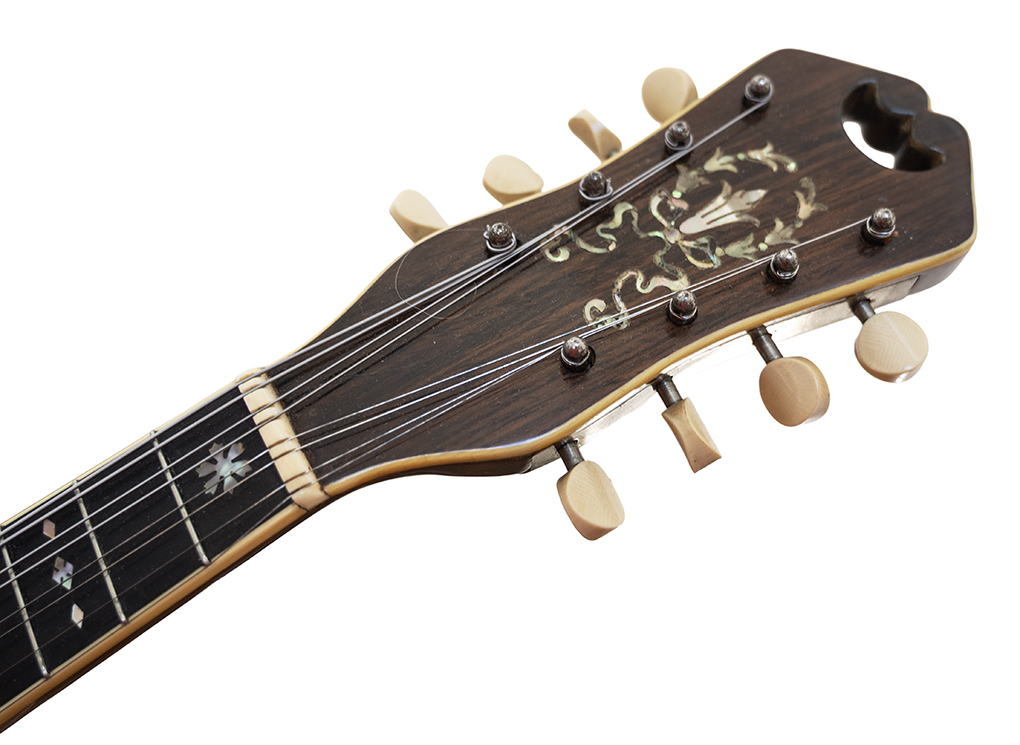
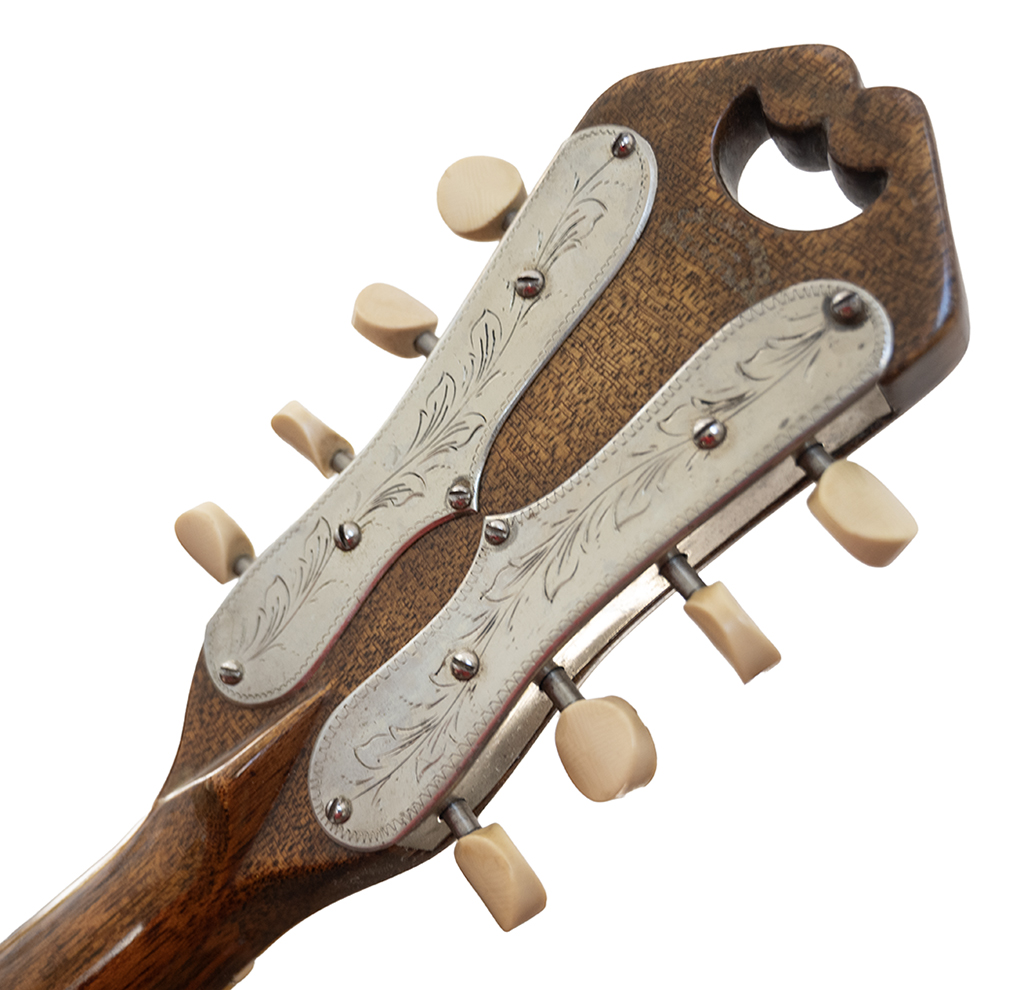
1917 Style C Mandolin
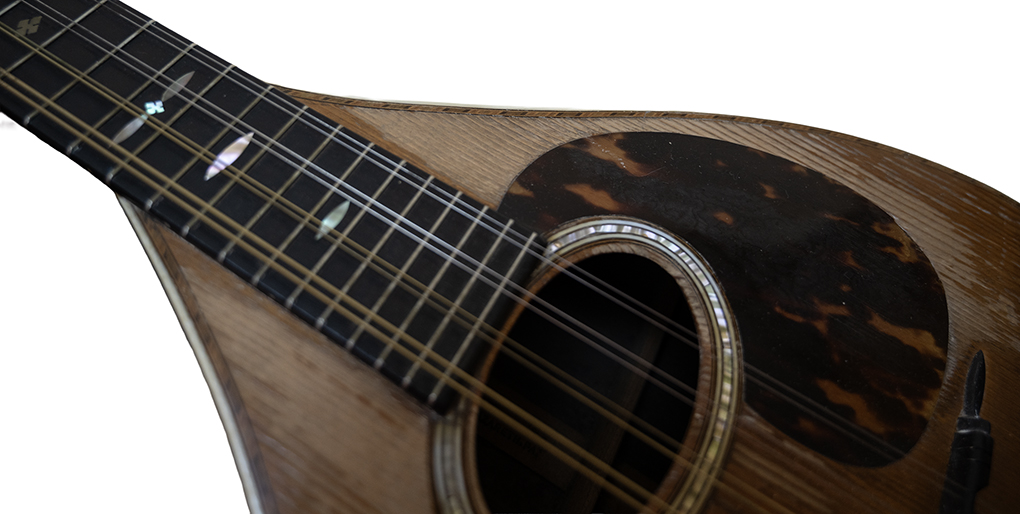
Martin introduced the Styles C and D mandolins in 1914.
The Style C had colored purfling on the top, while the Style D had pearl top borders and the same fancy pearl snowflake fretboard inlays and headstock inlays at the Style 5.
Martin only sold five of the Style D in 1914 and two more in 1917 before discontinuing the model.
When Martin discontinued the pearl Style D in 1917, they put the pearl top on the Style E. This example was built just as Martin was building the last two of the Style D, #5178 and #5179.
In 1919 and then again in 1921, sales of both the style C had increased, and in 1919 alone, guitar sales more than doubled. In an attempt to keep up with demand, Martin discontinued the pearl, and returned to marquetry borders on the Style C by 1921.
Martin built a total of 393 Style C mandolins before discontinuing the model in 1932. In 1934 they built one on special order with a maple back and sides.
Style A and B Mandolins
The Martin Style A and B mandolins were the bread and butter of the Martin flat top mandolin line.
Between 1914 and 1942, Martin sold 1787 Style B and 6703 Style A mandolins.
Martin only built one other 36 Style B before discontinuing the model, but had built 13853 of the stye A by 1964.
The Style B, introduced in 1915, had the same trim as a Style 21 guitar, and the same headstock cutout as the higher grade mandolins.
In 1921 Martin built 51 Style BK mandolins with koa tops, backs, and sides and six more in 1925.
The Style A was introduced in 1914, and was built with rosewood backs and sides, as were all standard Martin guitars until 1917, when both the Style A mandolins and all guitars below Style 21 switched to mahogany.
The Style A was essentially the same as the Ditson Style A below.
Martin Ditson A Mandolin
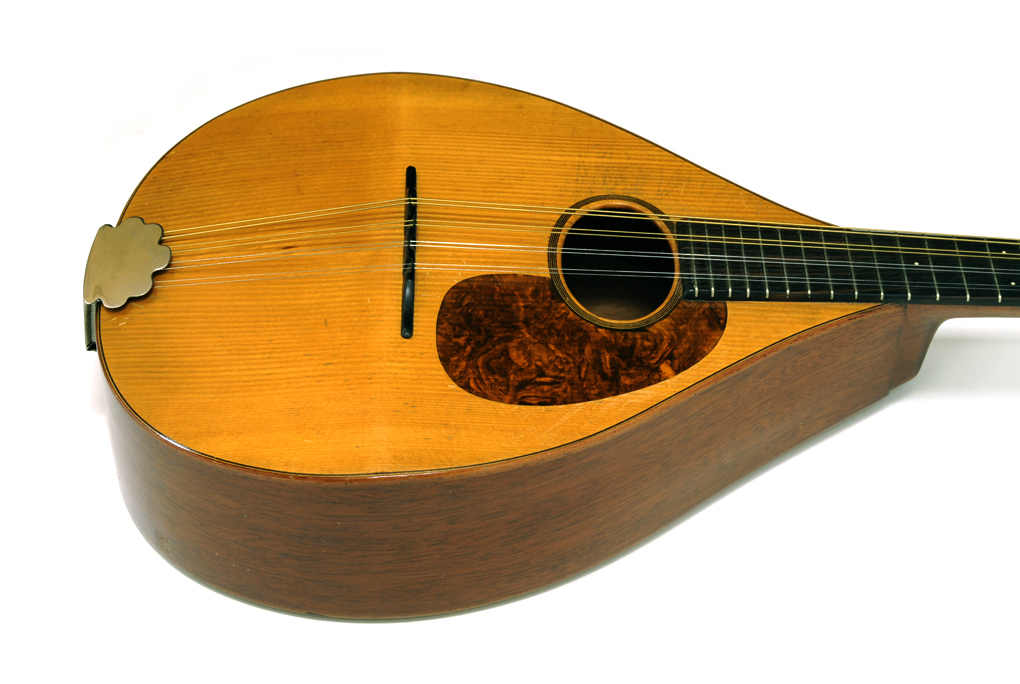
Learn more about Ditson mandolins here.
1915 Martin Briggs Mandolin
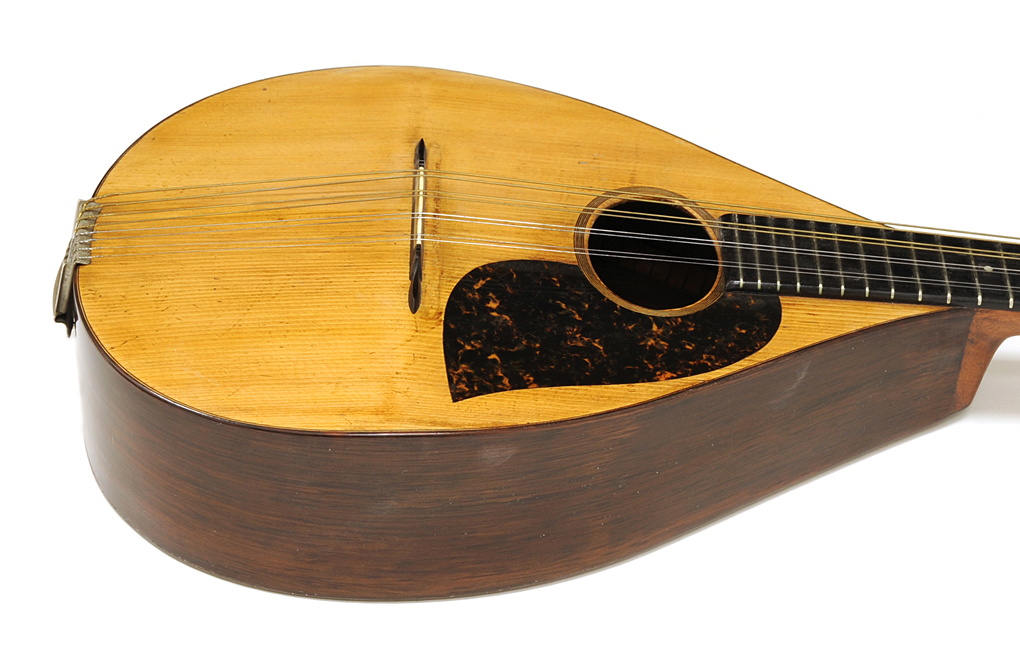
The "Briggs Special Mandolin" was made for F. K. Briggs, not a store, but a noted local instructor, musician, and director of a twelve to fourteen piece Banjo, Mandolin and Guitar Club and mandolin trio in Utica, New York who ordered special unique instruments from Martin for his students.
Learn more about the Briggs mandolin here.
1916 Martin Bitting Special Mandolin
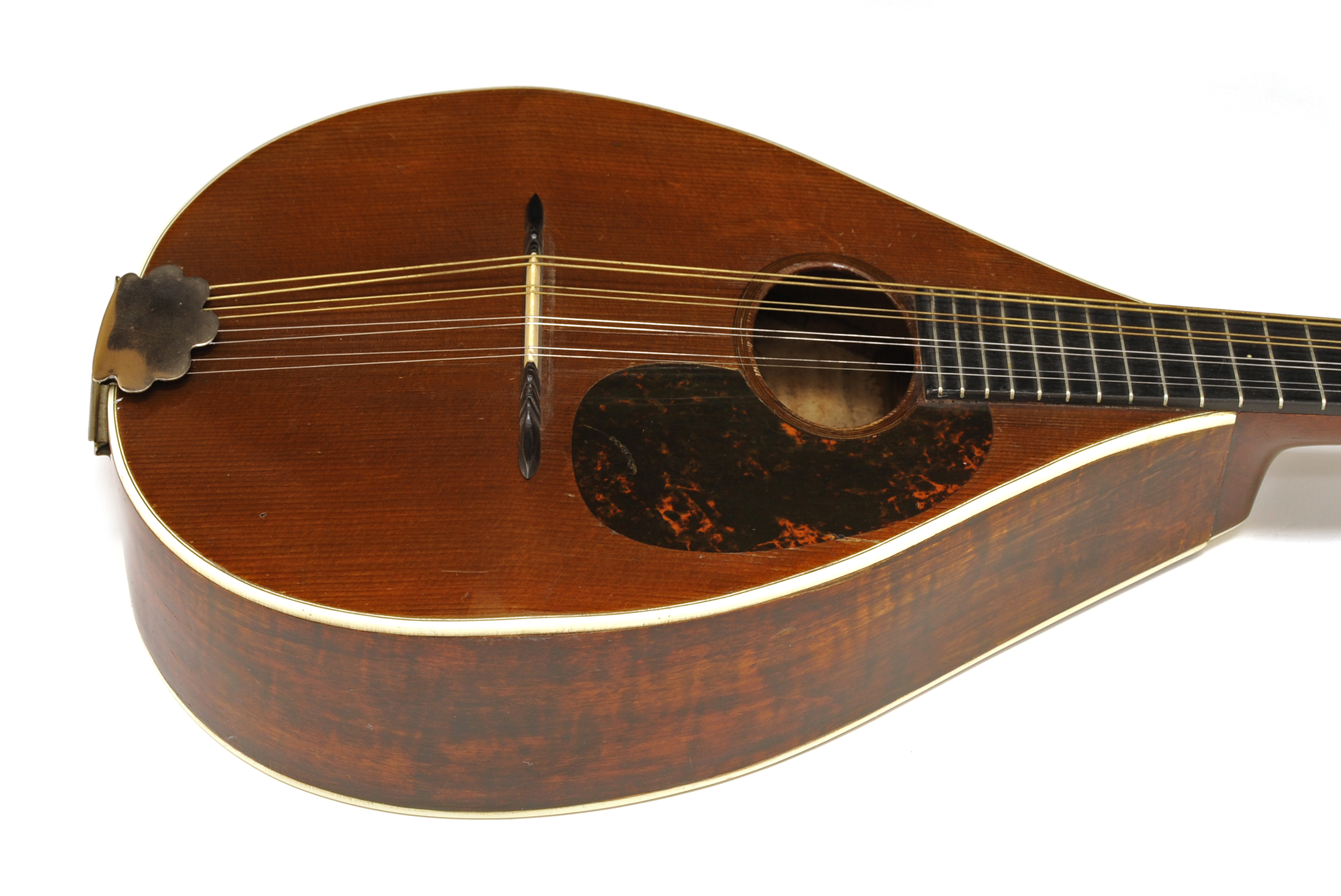
Bitting, like others including F.K. Briggs, was not a store, but a music teacher who had Martin build a unique line of instruments primarily for his students, in a similar vein as
William Foden and Vahdah Olcott-Bickford.
From 1916 to 1918, Oliver Franklin Bitting, a musician and music teacher born on October 19, 1873, ordered mandolins and mandolas, as well as guitars, with a beautiful dark stained finish on curly maple.
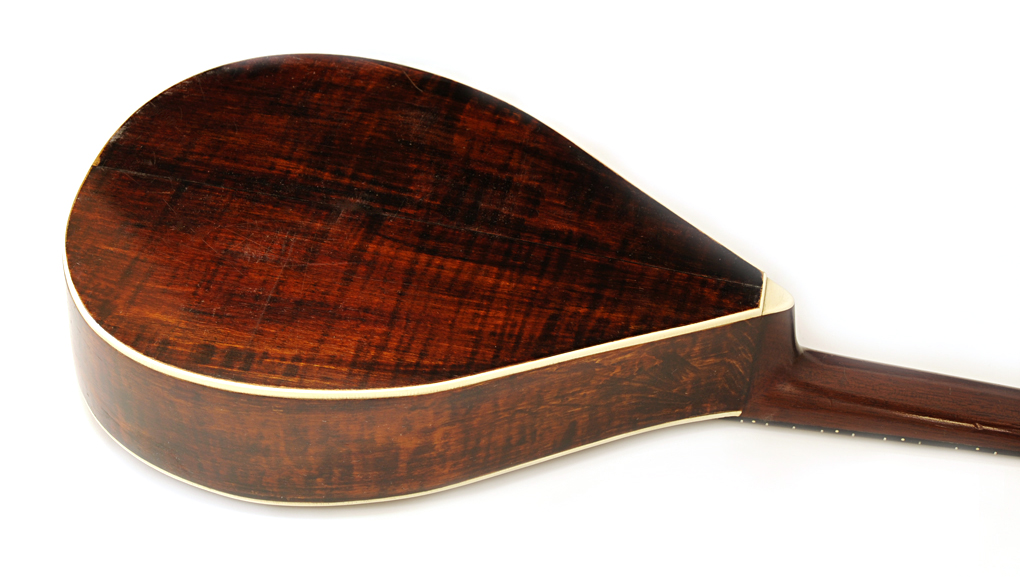
Learn more about the Bitting Special mandolin here.
To See Robert Corwin's Classic Photography of Folk and Roots Musicians, visit:
For Information on Photography for
Exhibition, Publication, CD's, Promotion, Web Pages, Tour Books,
to Purchase Photographic Prints, or
If You Have Questions About An Early Martin Guitar:
e-mail: Robert Corwinentire site copyright ©1998 through 2026 Robert Corwin/Photo-Arts. All rights reserved.